Concrete pitches and plastic football.
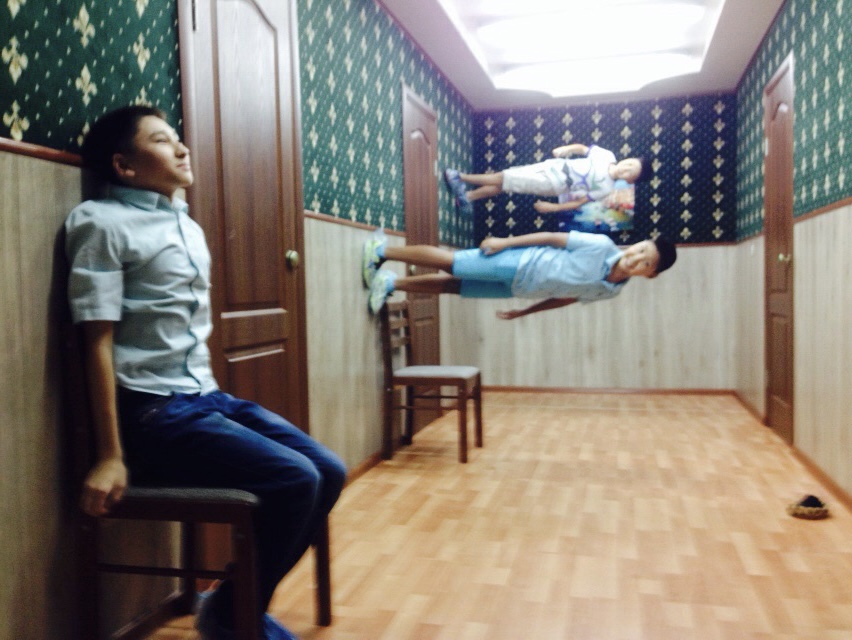
The year was 2014. We were nine years old. Dirty, sweaty, reeking of cheap savory snacks, yet absolutely happy.
That hot summer was different from the rest. The World Cup was taking place in Brazil—an event that became our religion for years to come. And our main drug of choice was *FIFA 15* played on beat-up smartphones.
Back then, any self-respecting neighborhood kid simply had to have top-tier players in their Ultimate Team collection. How did we get them? We starved. Literally. We scrimped and saved every measly fifty-tenge coin meant for school lunches. These pennies went into a Qiwi wallet so we could—like the most hardcore gambling addicts—blow them on the FIFA Coins black market. Player packs were our first taste of a casino.
One day, fortune smiled upon me. I had four hundred tenge. My friend Nurzhan—with whom I now, who would have thought, share my daily life in Prague—had a substantial capital: two thousand. We pooled our money. I was terrified to lose it and didn't want to take risks; I was thinking of picking up a couple of reliable players for the squad. But Nurzhan talked me into doing something truly insane: buying a TOTY pack. These contained the strongest cards in the game. The odds of pulling anything worthwhile were virtually zero. I hesitated and tried to back out, but eventually gave in and opened just one.
Silence. Resignation to the loss of money. A blue outline around the card. Pure bliss. One of the best moments of my childhood. A TOTY Toni Kroos card from that very first pack. The dream of every kid back then. I felt like I could tear the heavens apart with my bare hands.
But let’s get back to the street. We proudly called our neighborhood pitch "Kuat Arena." It was summer. No school. Your day didn’t start with an alarm clock, but with a frantic ring from the landline or the intercom. Friends were already screaming from below, dragging you out into that scorching heat. "Virus" on the lawn, "Air King," one-touch, soccer, hide-and-seek all over the "Kuat" complex—that was the daily diet we lived on.
The main thing that made the very air vibrate back then was talk about soccer. And you know what’s funniest about it? If someone had walked up to any of those grubby, scraped-kneed kids and told them that one day they wouldn't just be buying a pixelated character with their saved-up tenge, but walking into a real World Cup match on their own two feet... well, those kids would have just tapped their foreheads, thinking the person was crazy.
Why all this nostalgia? Because the journey to this stadium didn't take a couple of hours of flying—it took twelve years.
I snagged the tickets back in April, right after the US visa was stamped in my passport. Why Czech Republic versus South Africa, specifically? There are two reasons. First, I’ve been living and studying in the Czech Republic for four years now, so these guys aren't strangers to me; I really wanted to cheer for them until I lost my voice. Second—and let’s be honest—they were the cheapest tickets available.
My journey to Atlanta began in Philadelphia. Or rather, with an absolutely grueling, sleepless night spent trying to outsmart my own biology and catch some shut-eye somewhere in the bowels of the airport. An 8 a.m. flight, landing at 10:00. Atlanta greets you with the status of the world's busiest transit hub, but in reality, you hardly notice it. Unlike most American metropolises, the transport here is surprisingly sensible—30 minutes on the subway, and you’re downtown. I decided to get off a couple of stops before the stadium. I wanted to take a walk, grab a coffee, and join the surging river of fans making their way to the arenas together.
But there was no river.
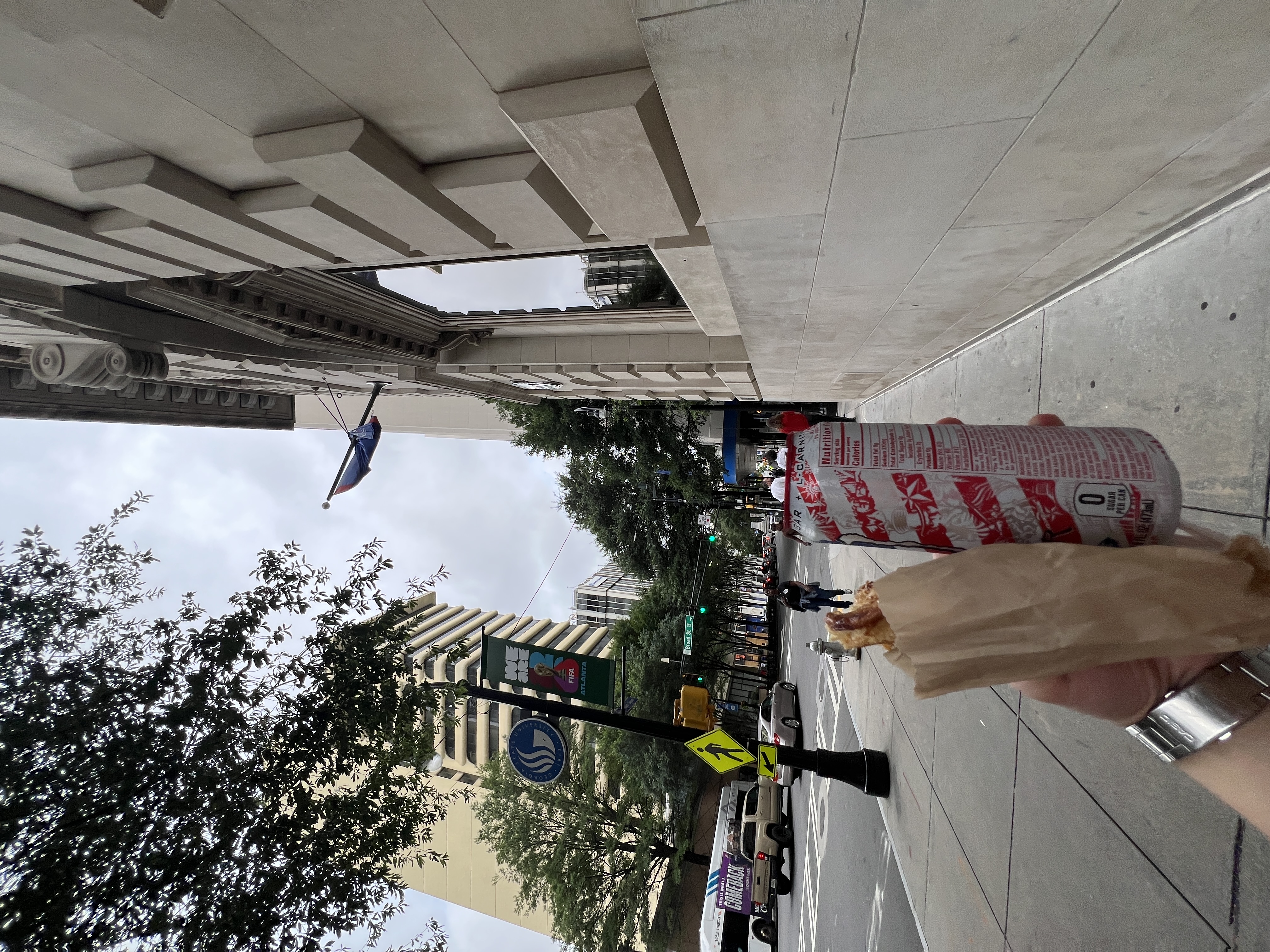
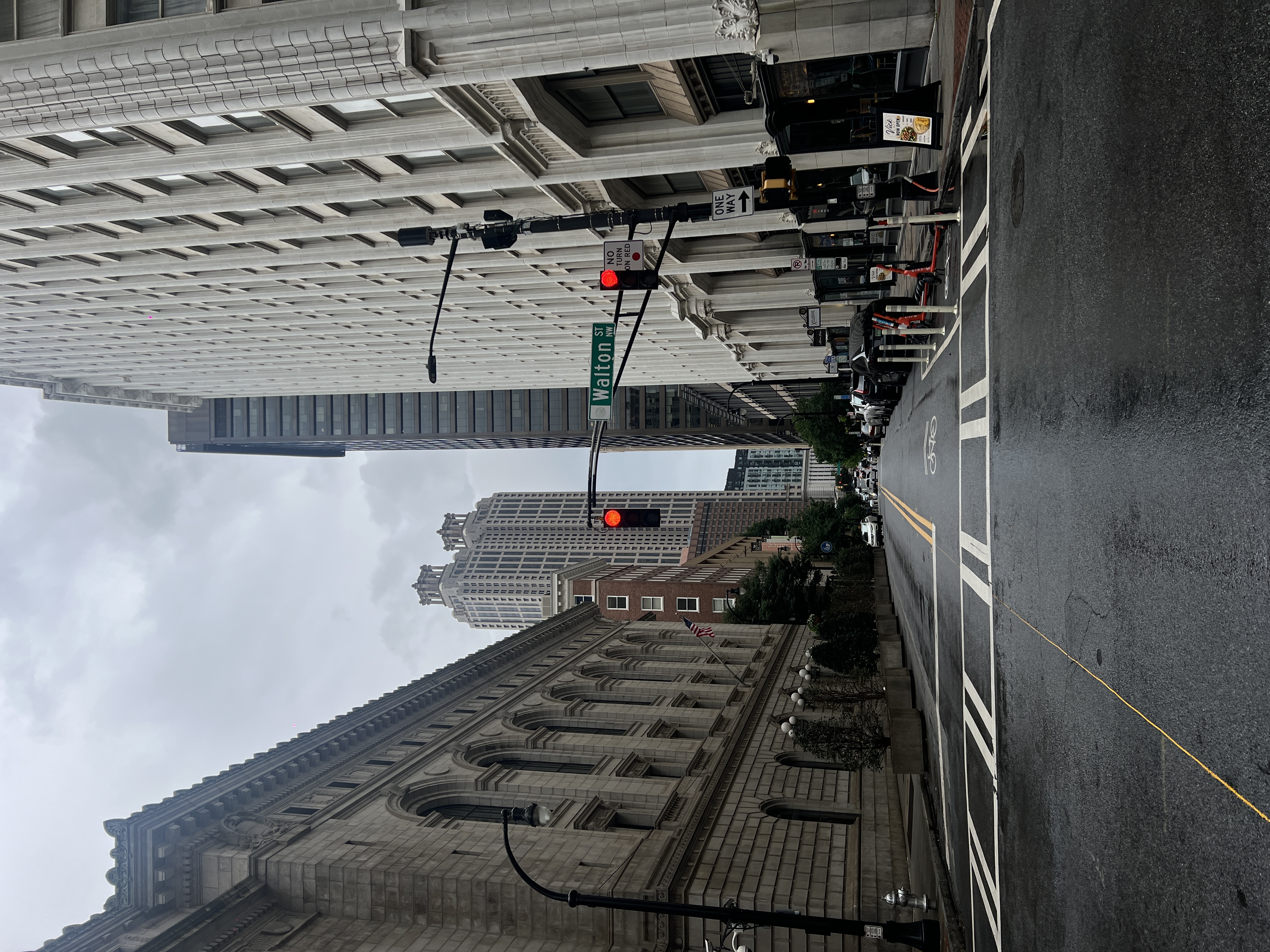
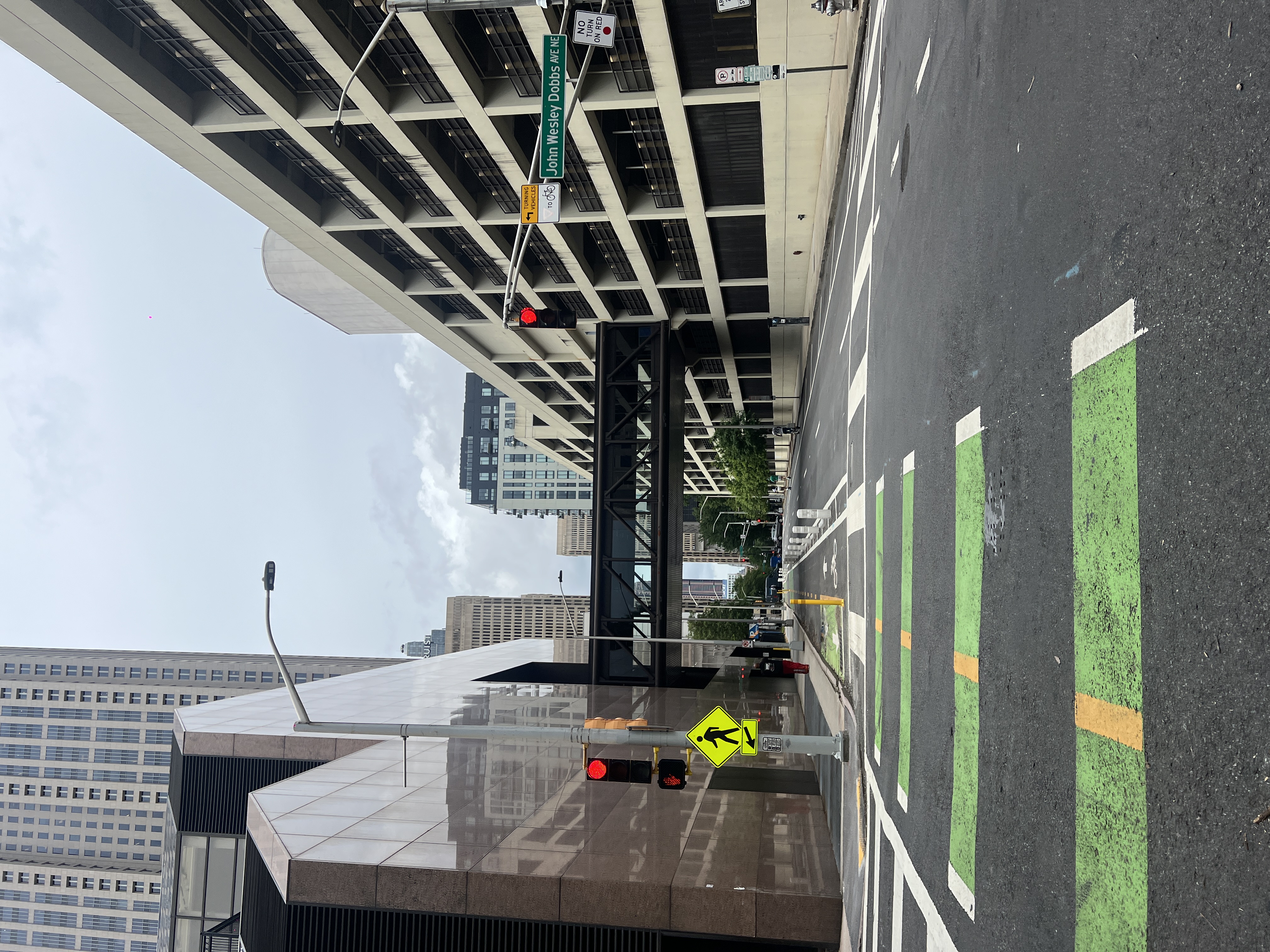
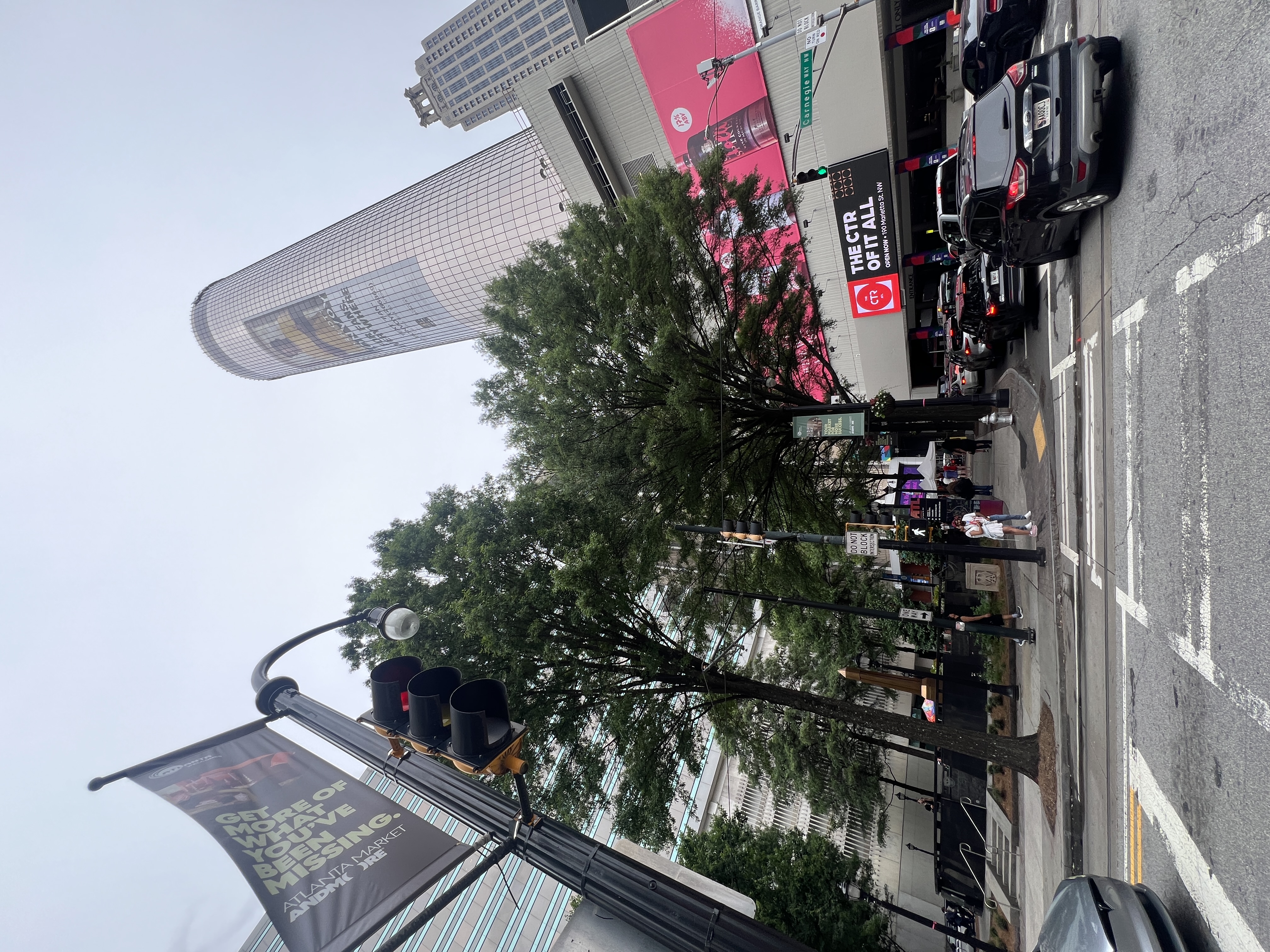
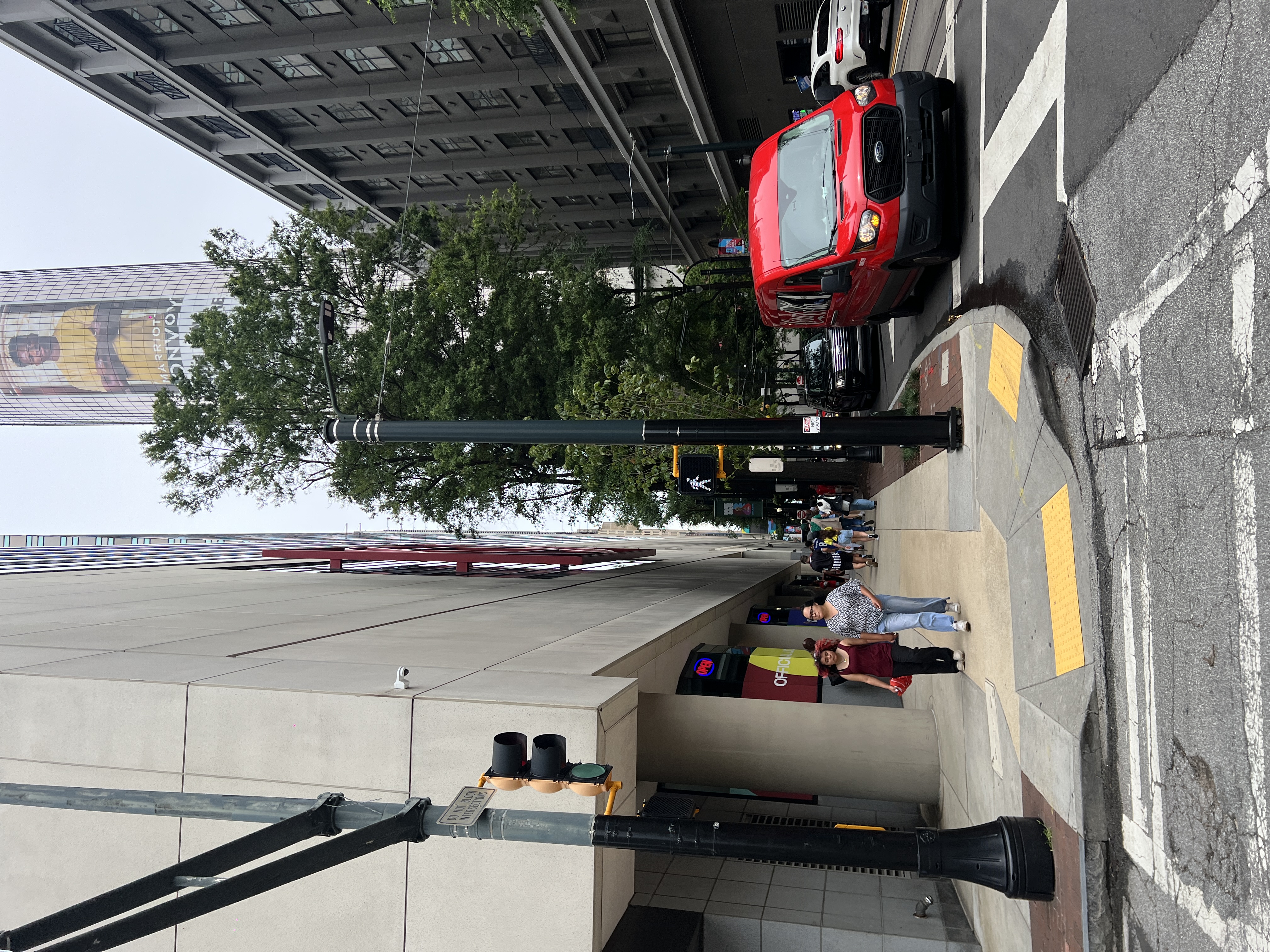
The first thing that strikes you about downtown Atlanta is the total lack of life. The city looked like it had been wiped out by a zombie apocalypse. Walking past the skyscrapers, I noticed something odd: instead of gleaming storefronts and cafés, the ground floors gaped open like the concrete maws of parking garages. I wandered the neighborhood looking for breakfast until I realized a startling fact: there wasn't a single fast-food joint in the area, save for a solitary Chick-fil-A. The streets held only a couple of classic city eccentrics and an army of cops on every corner. Security had been dialed up to the max, but they’d forgotten to bring the festive atmosphere along.
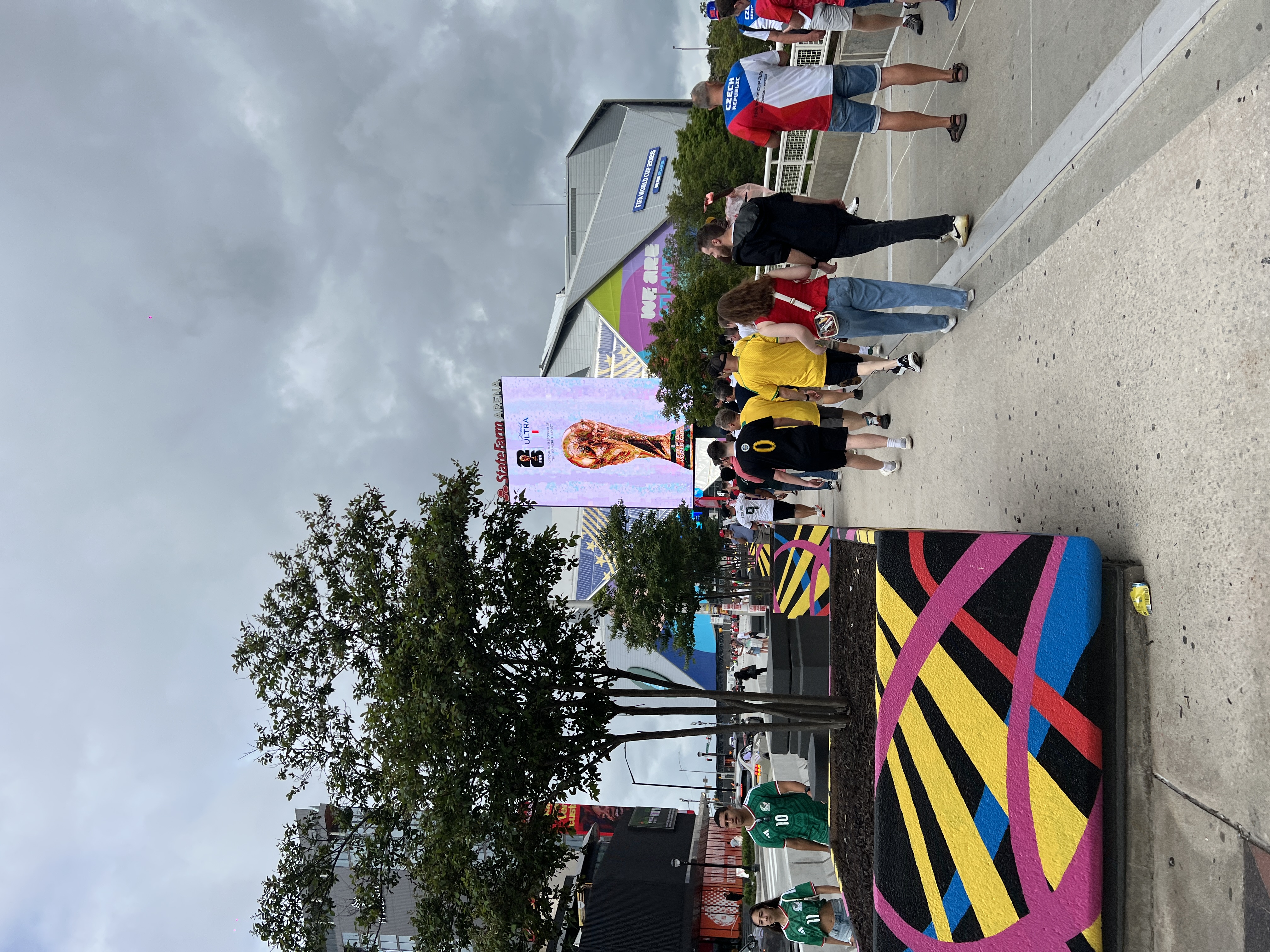
A few revelations awaited me at the stadium itself.
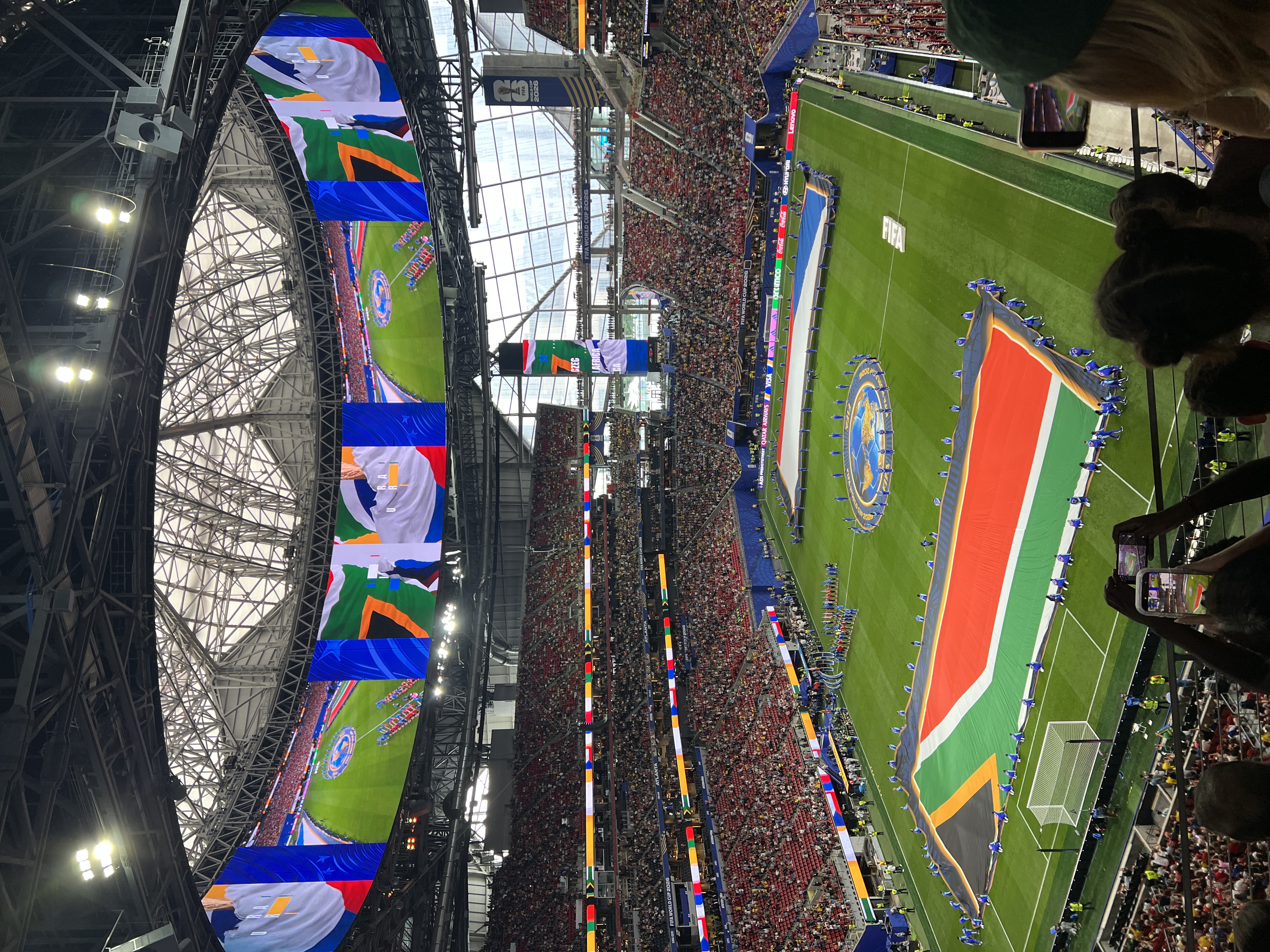
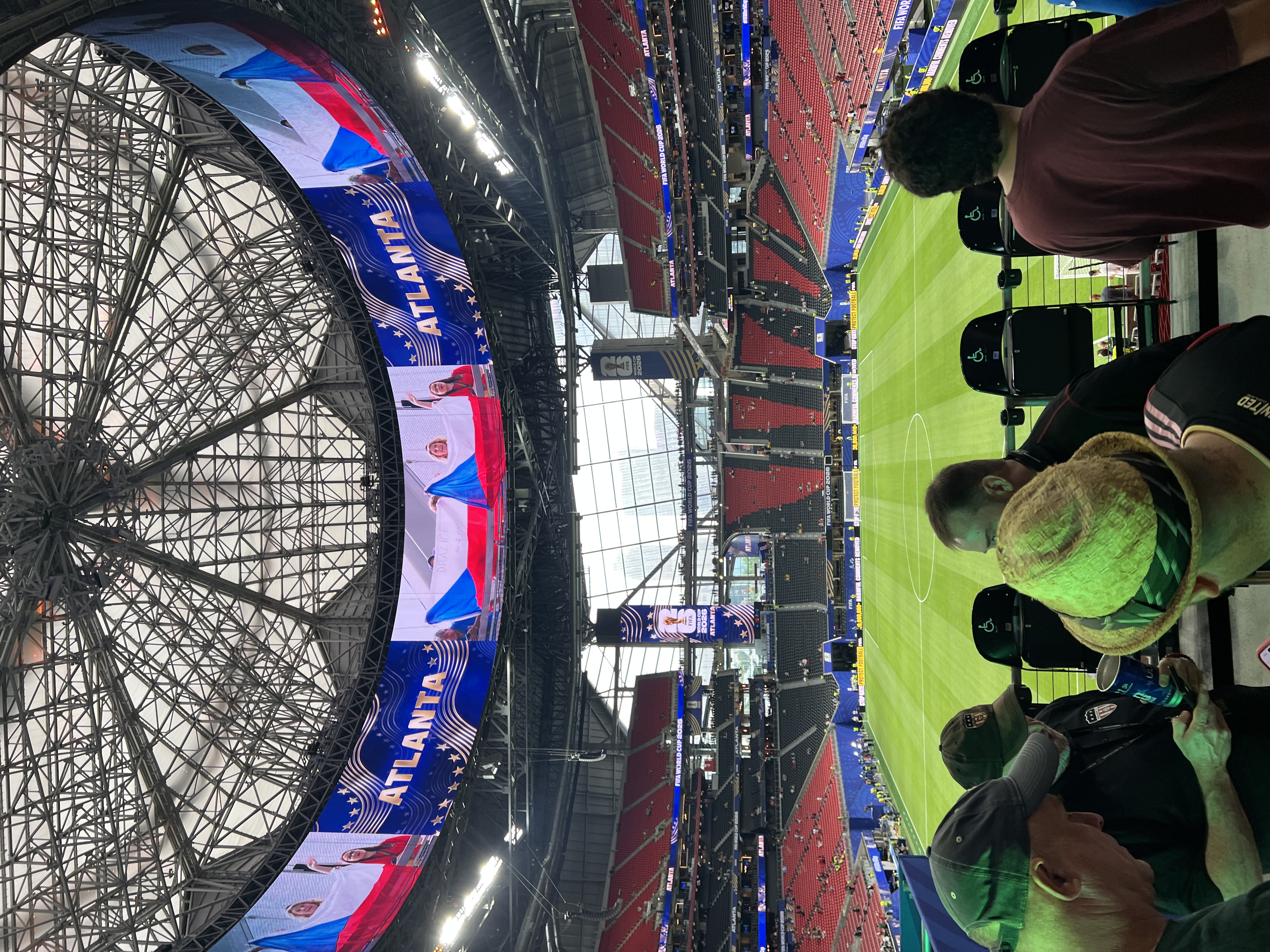
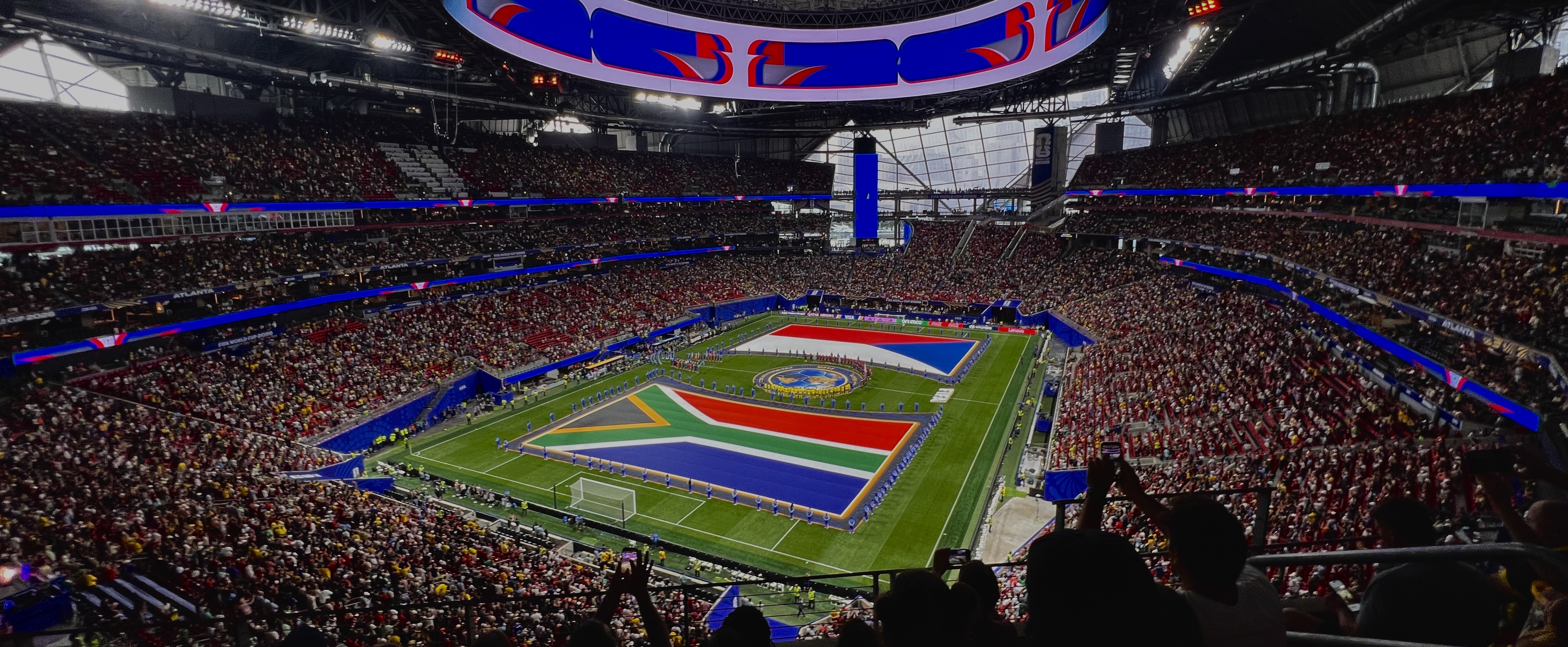
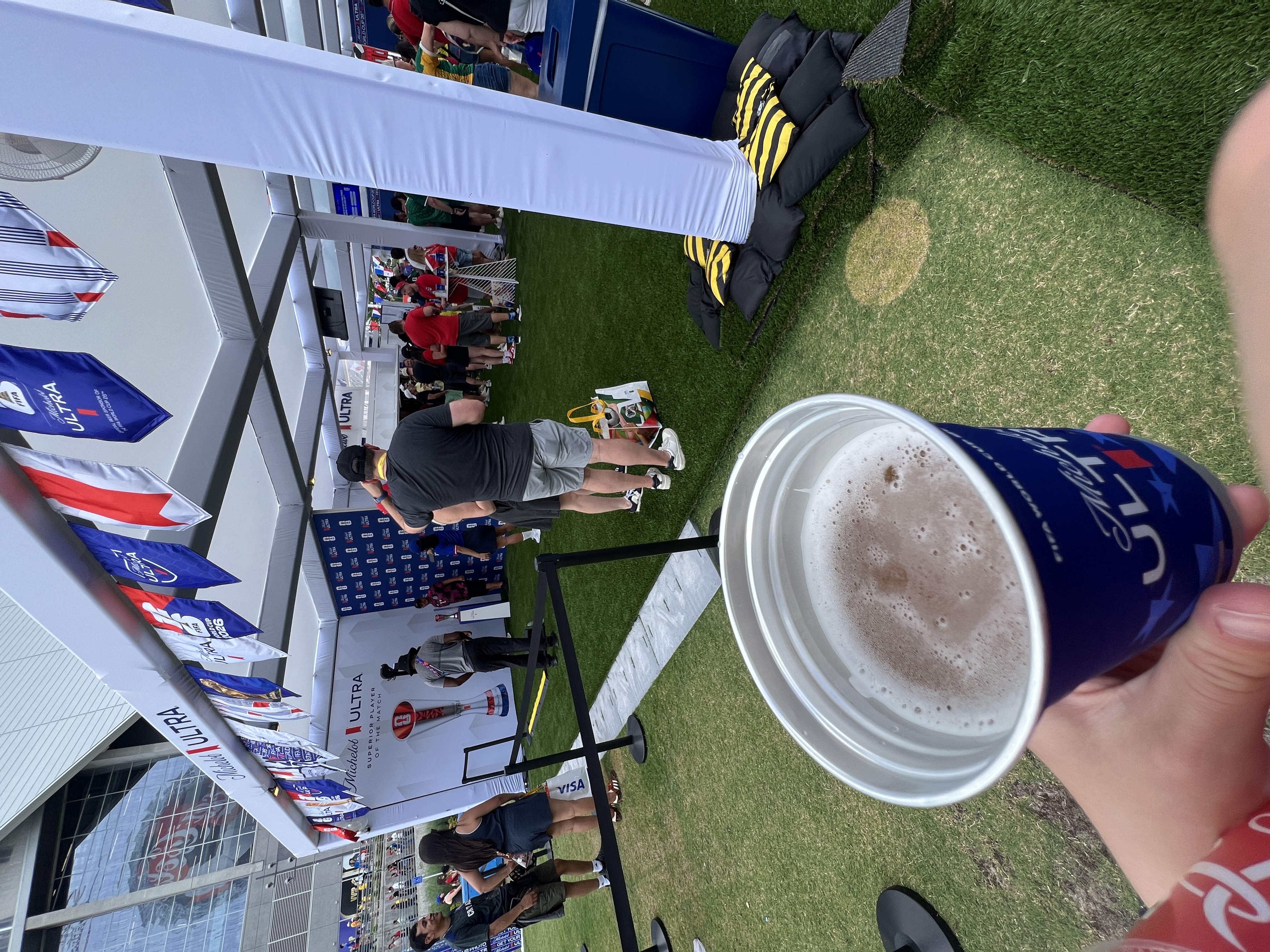
Surprise number one: there were hardly any Czechs or South Africans at the Czech Republic vs. South Africa match. Apparently, the transatlantic flights and exorbitant prices had weeded out the true ultras. In my section, there were maybe five Czech fans and a dozen guys from South Africa. All the other seats were filled by Americans and random tourists who had come to watch some "soccer." It became clear why those tickets had been cheaper than the rest.
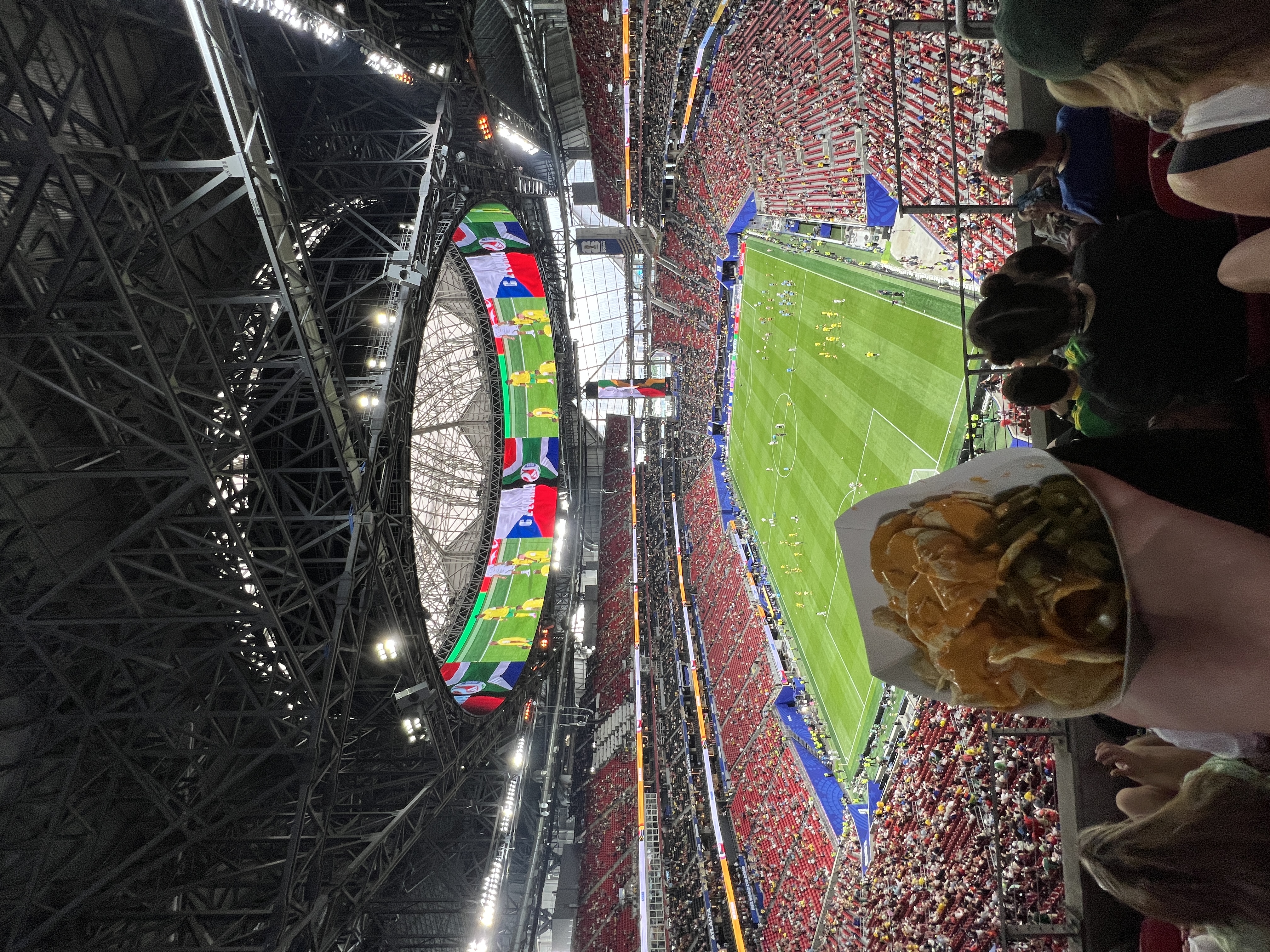
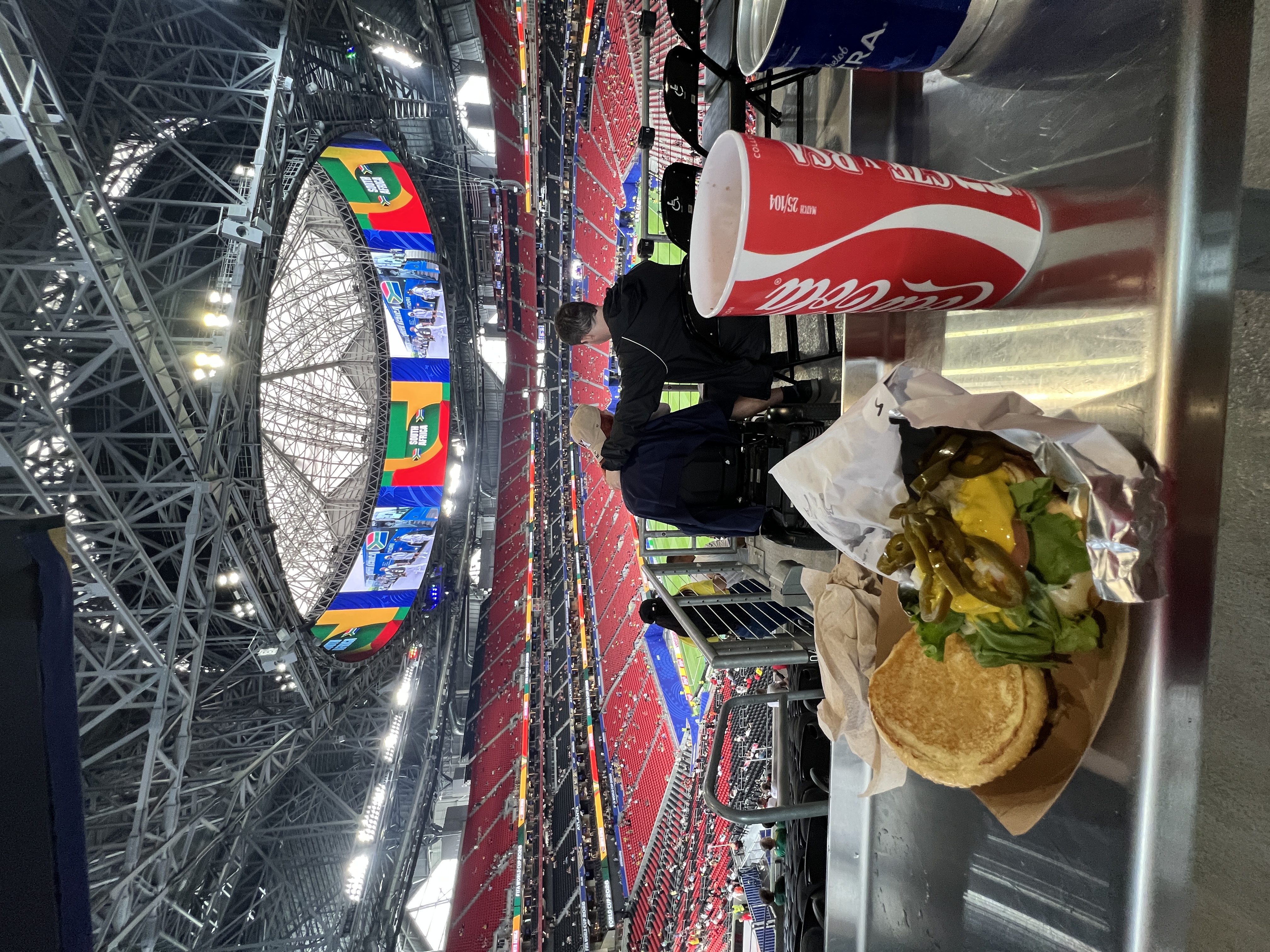
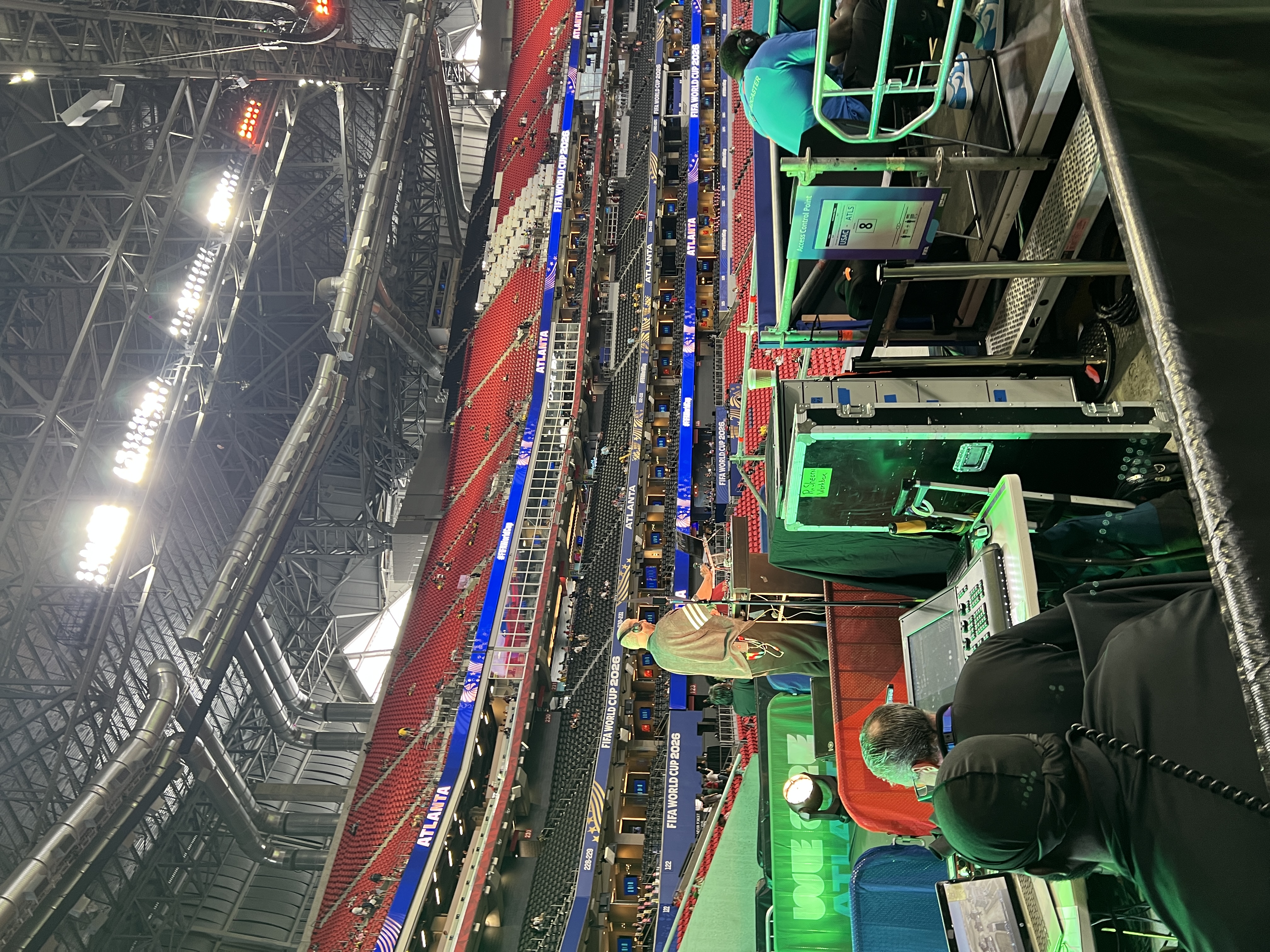
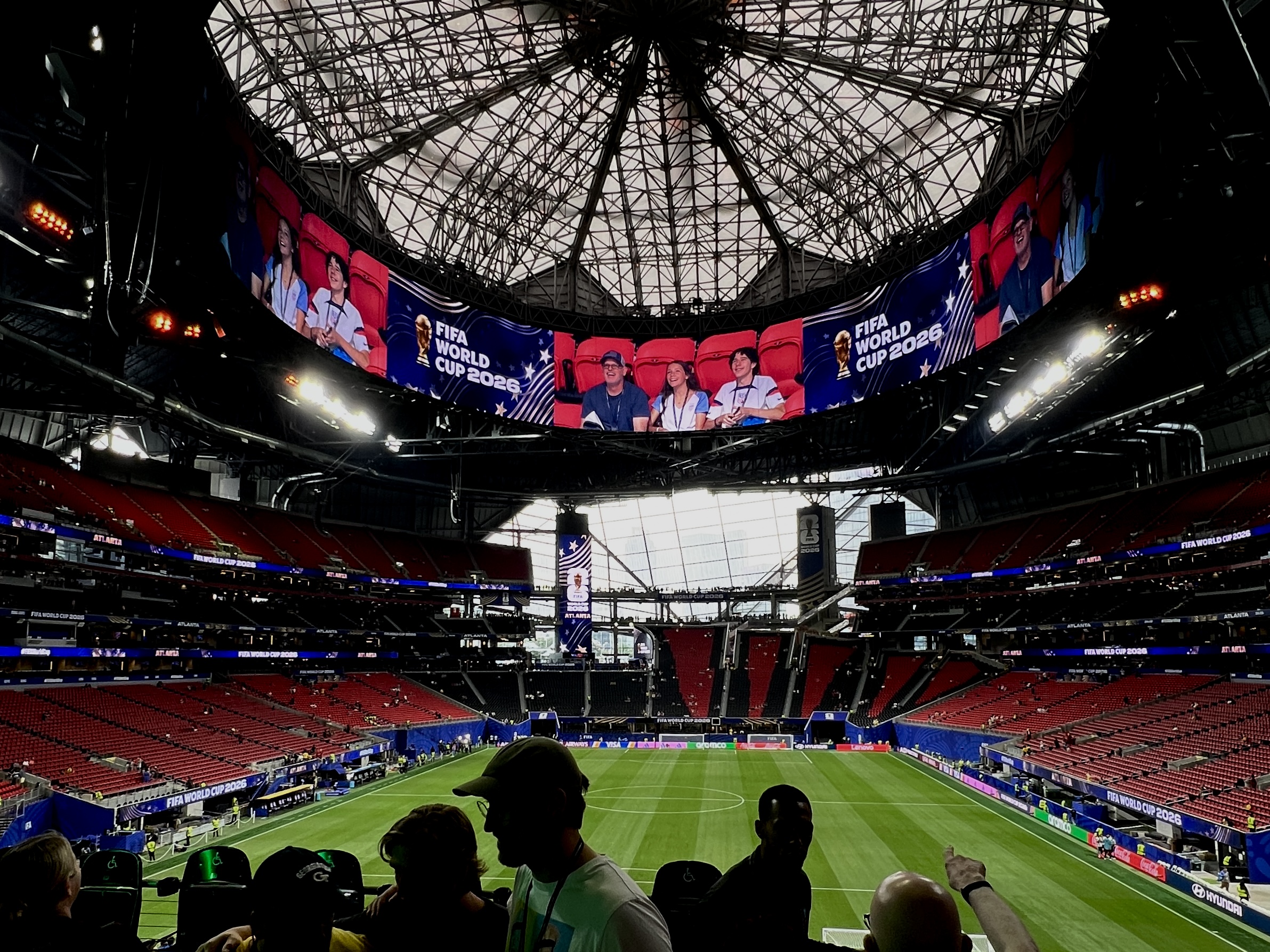
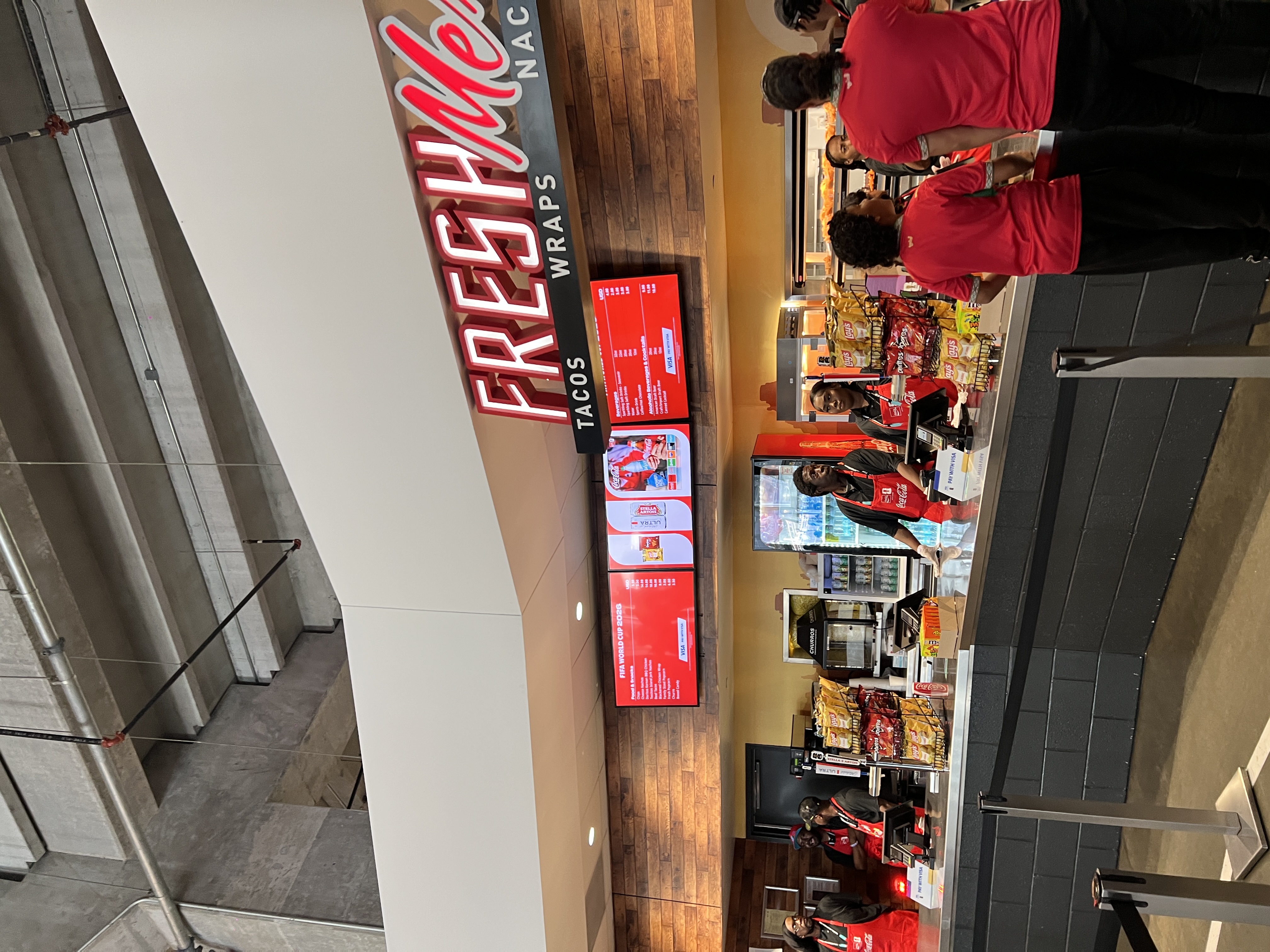
Surprise number two was culinary. Stadiums are usually a legalized racket where they sell you cardboard food at the price of gold. But Atlanta bucked the trend. Inside the arena, the food turned out to be cheaper than out on the city streets. For four bucks, you got a cup with unlimited soda refills, and for nine dollars, I snagged an excellent, genuinely craft-quality burger. By American standards, that’s practically charity. The stadium itself is a marvel of engineering. It was a particular treat to be able to head right down to the lower tiers for free and watch the game from an angle that would usually cost you a kidney.
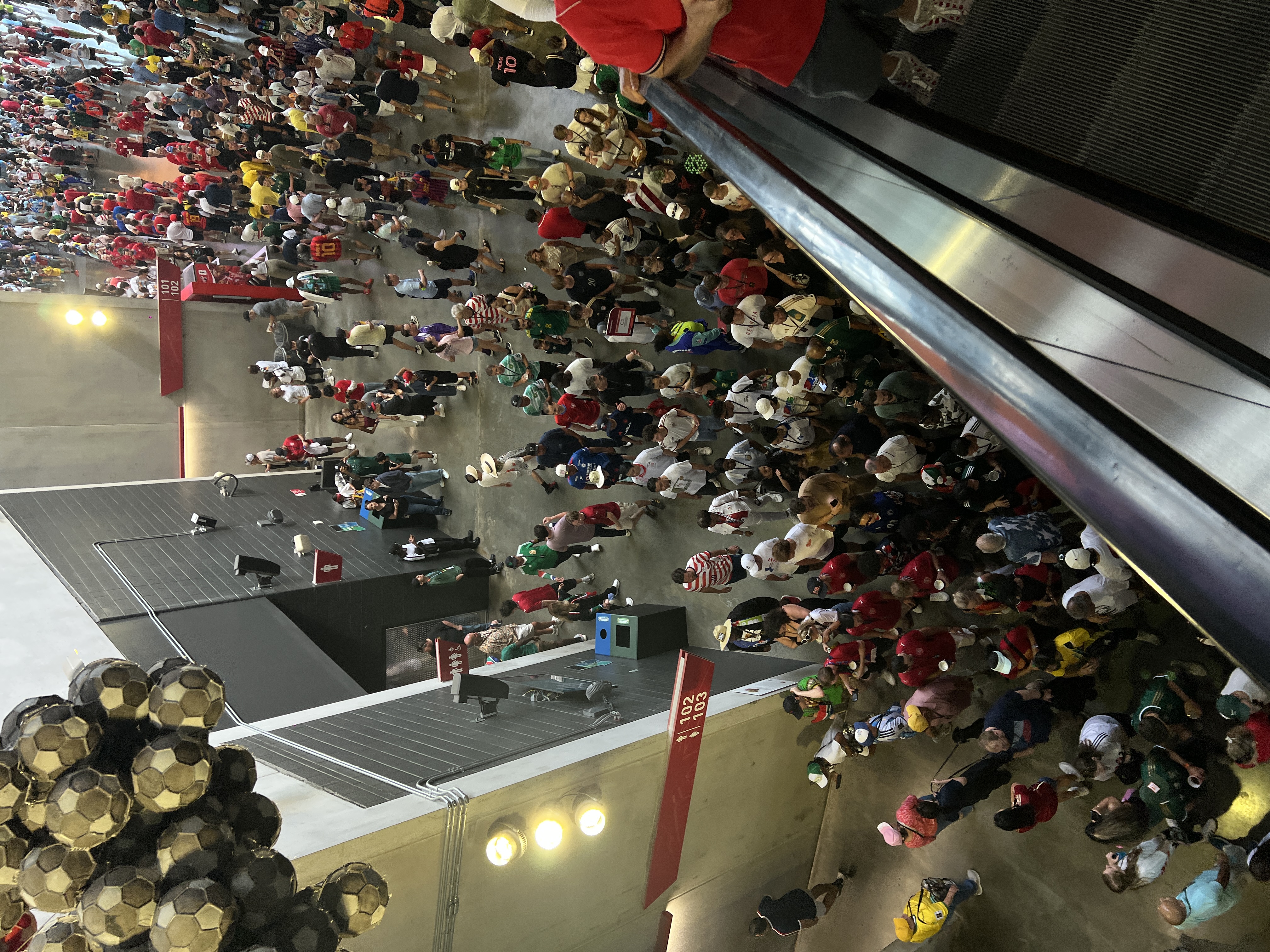
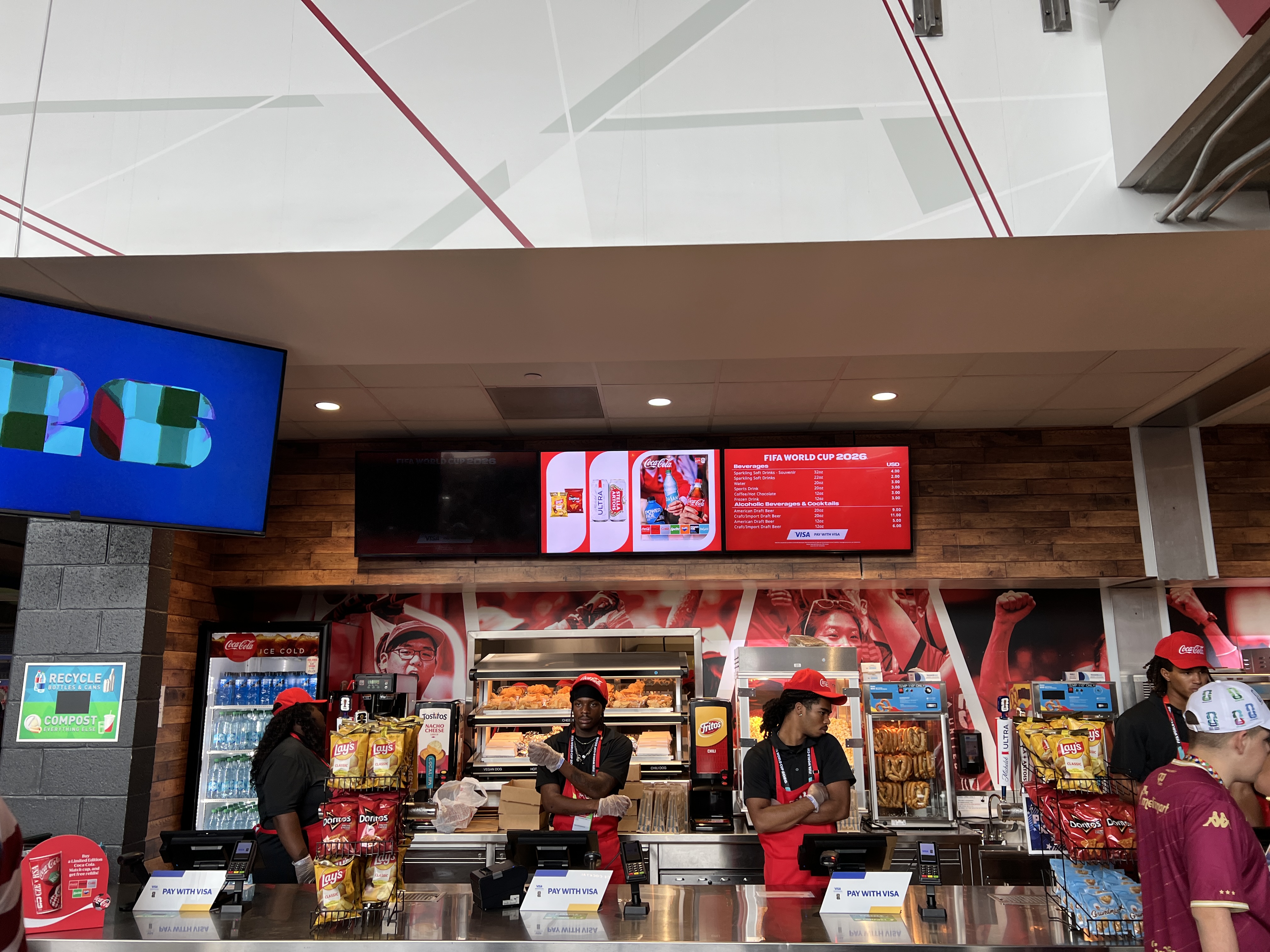
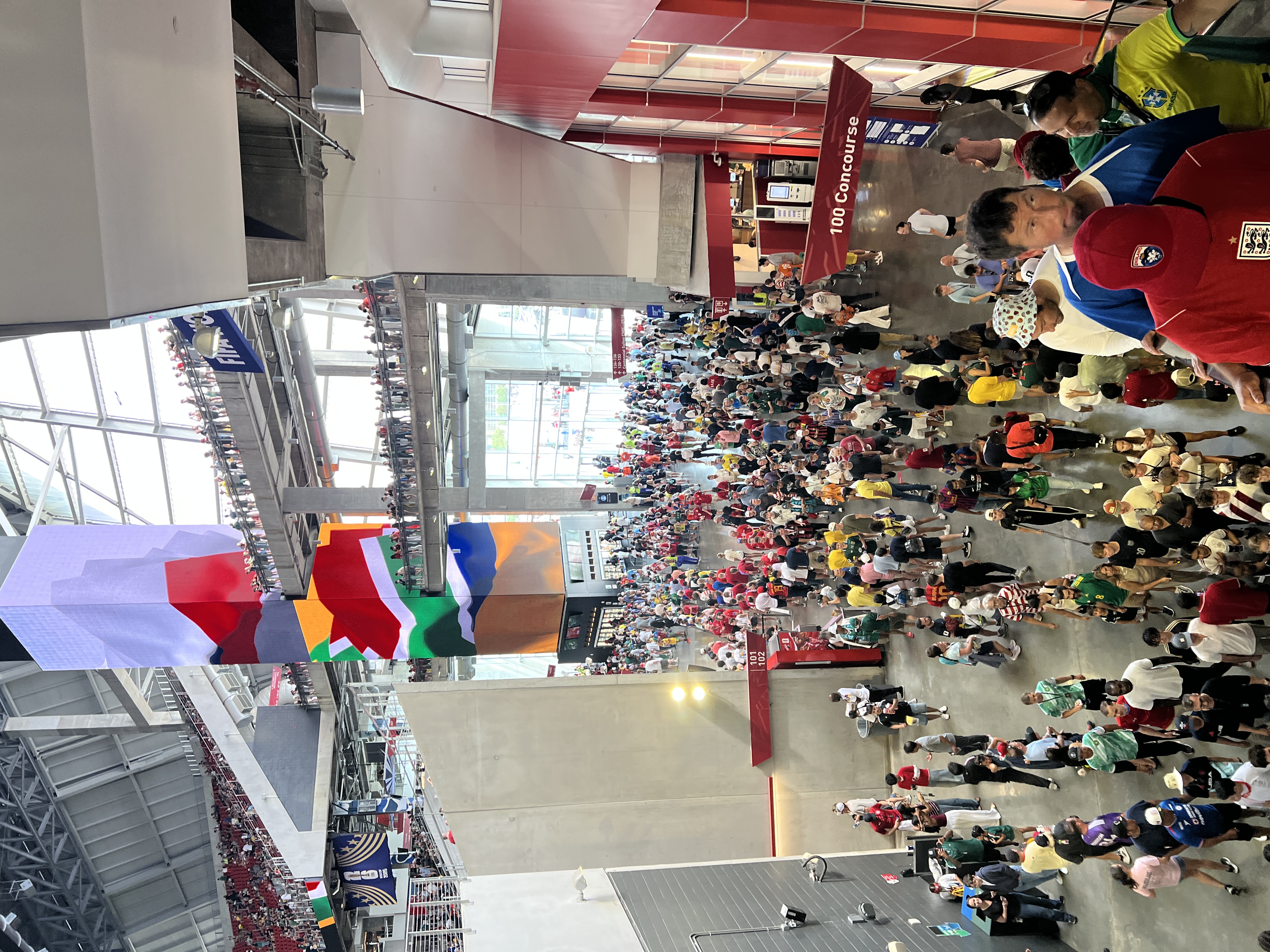
Сам стадион — безупречная инженерная игрушка. Особенно порадовало, что можно было бесплатно спуститься вплотную к нижним ярусам и посмотреть на игру с ракурса, за который обычно просят почку.
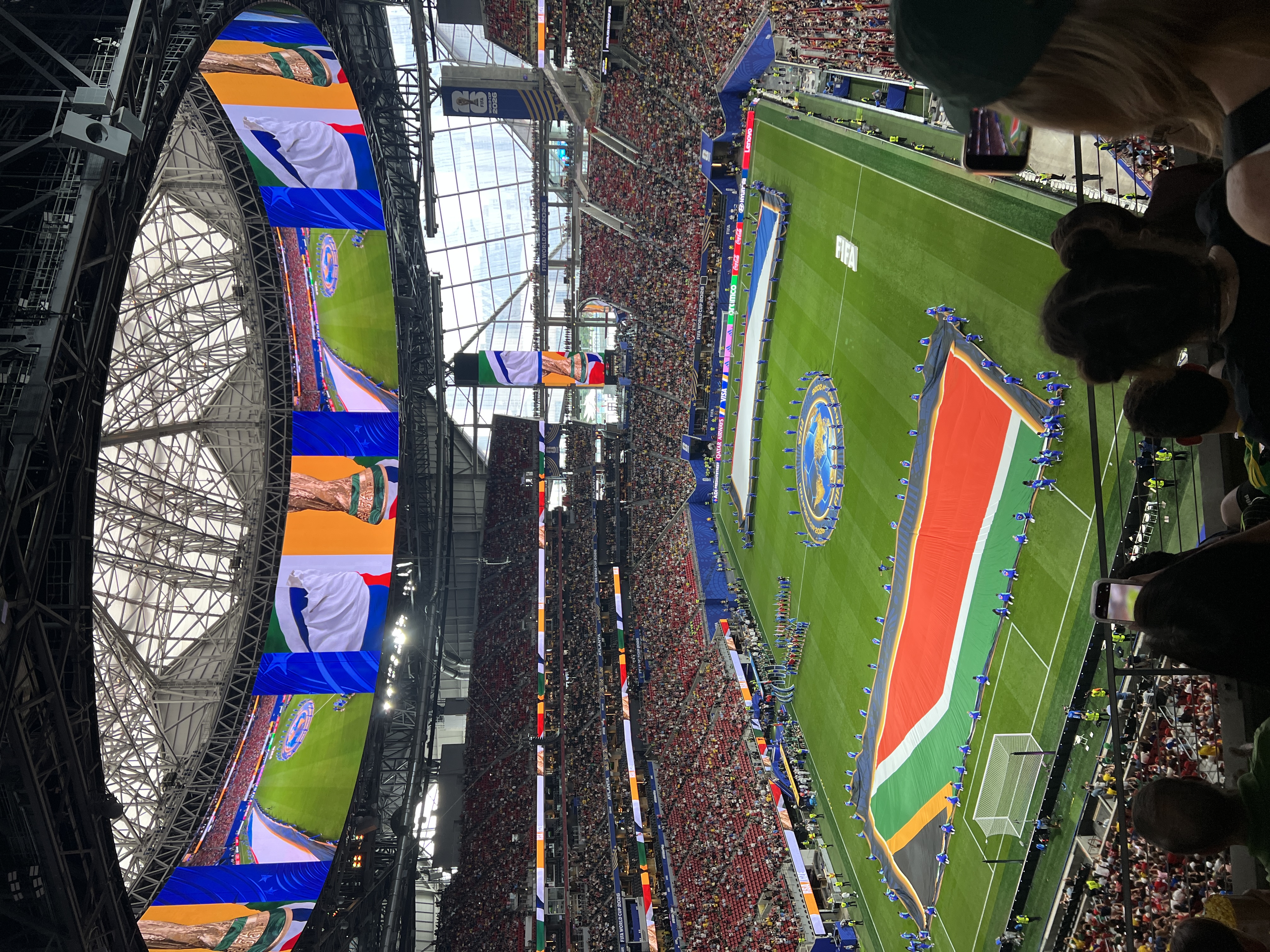
The match ended in a lackluster 1–1 draw. That explosive surge of emotion—the kind that makes people travel to the other side of the world—never materialized.
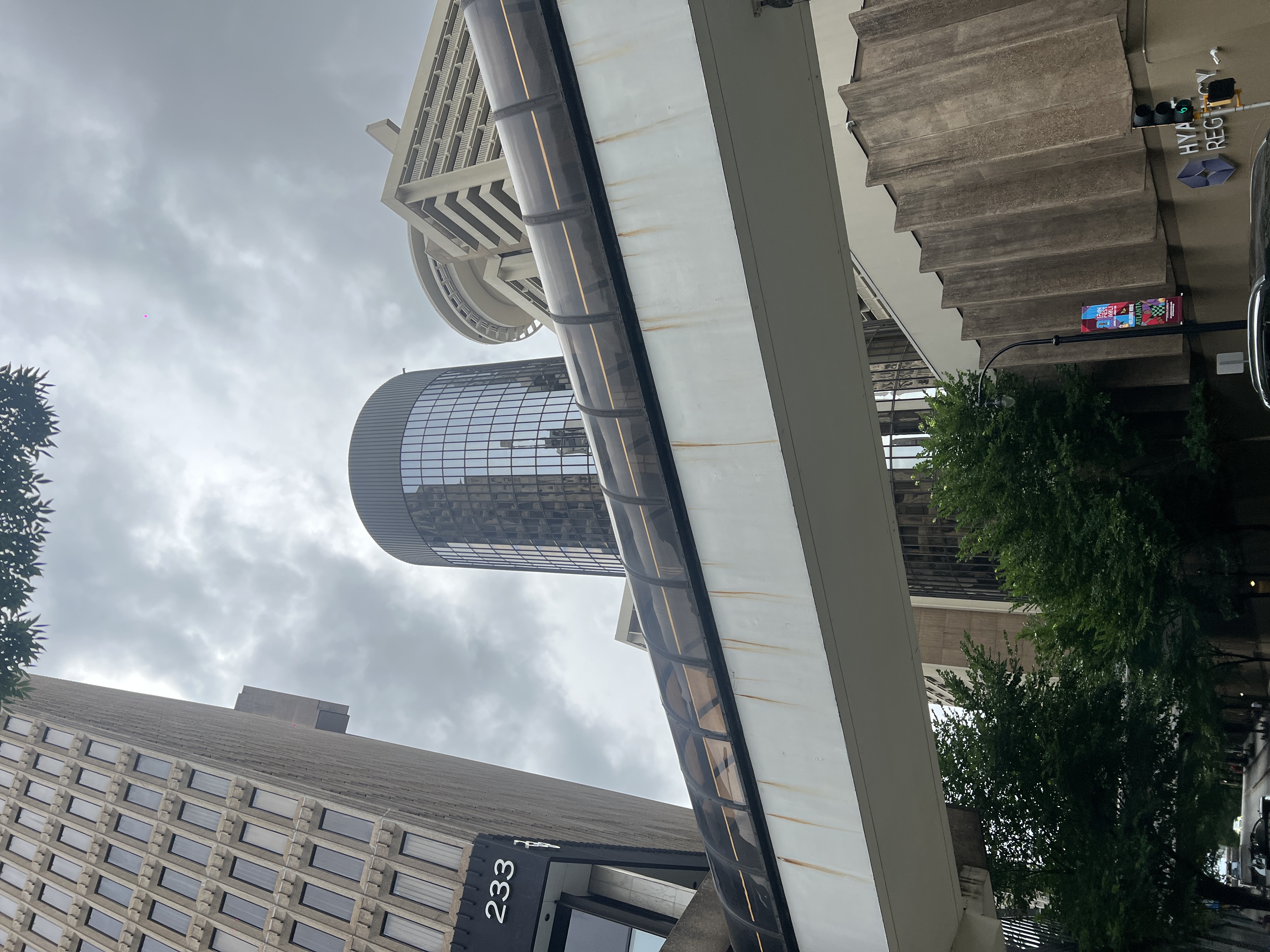
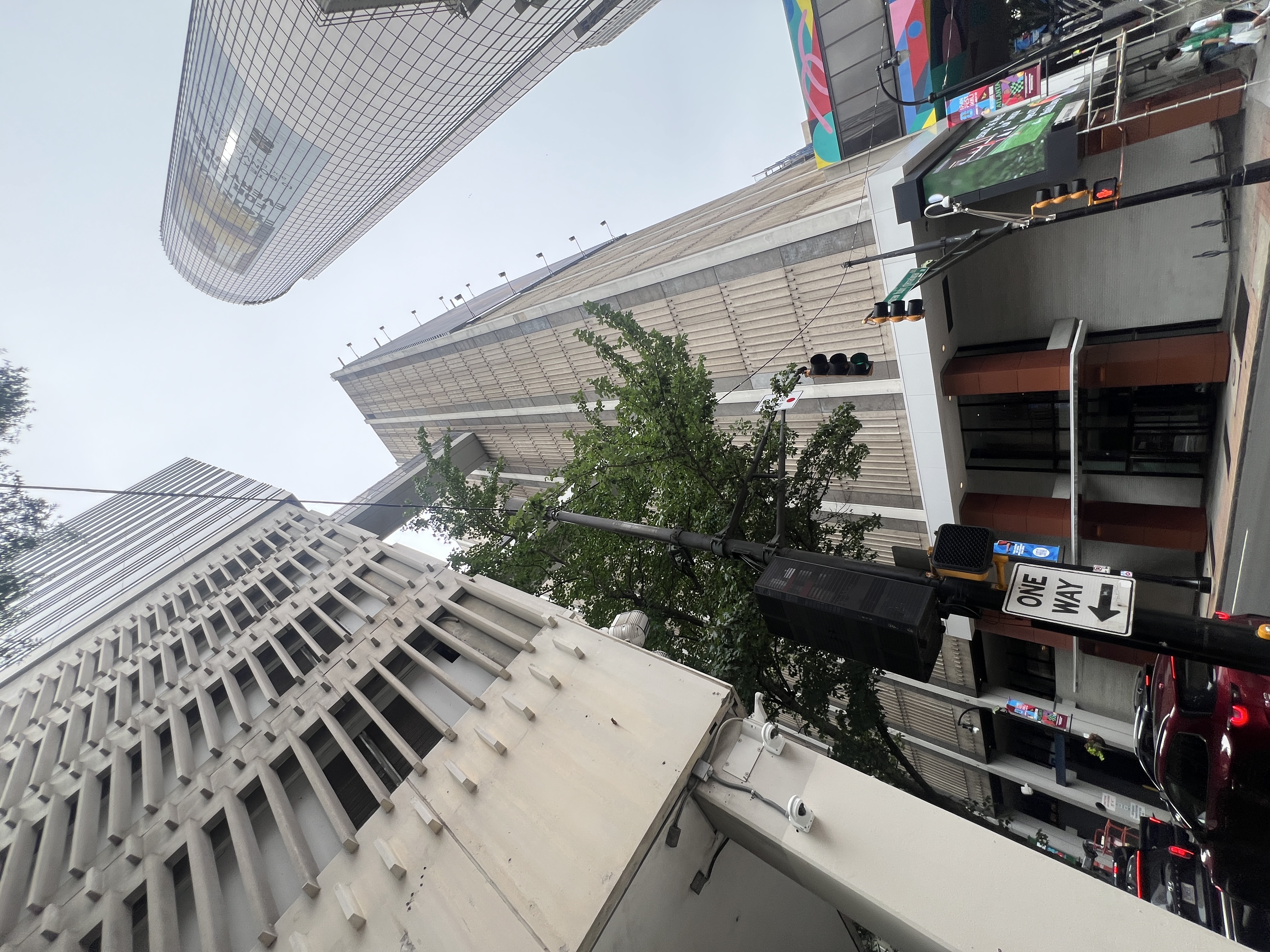 I left the stadium quite early and plunged back into the city’s strange, desolate concrete labyrinth to head for the airport. There, the final act of the journey awaited me: a total system collapse. The information boards were in chaos; none of the staff knew which gate was which, and different screens displayed conflicting information. In the end, my flight—like every other flight that day—was delayed for a long four hours.
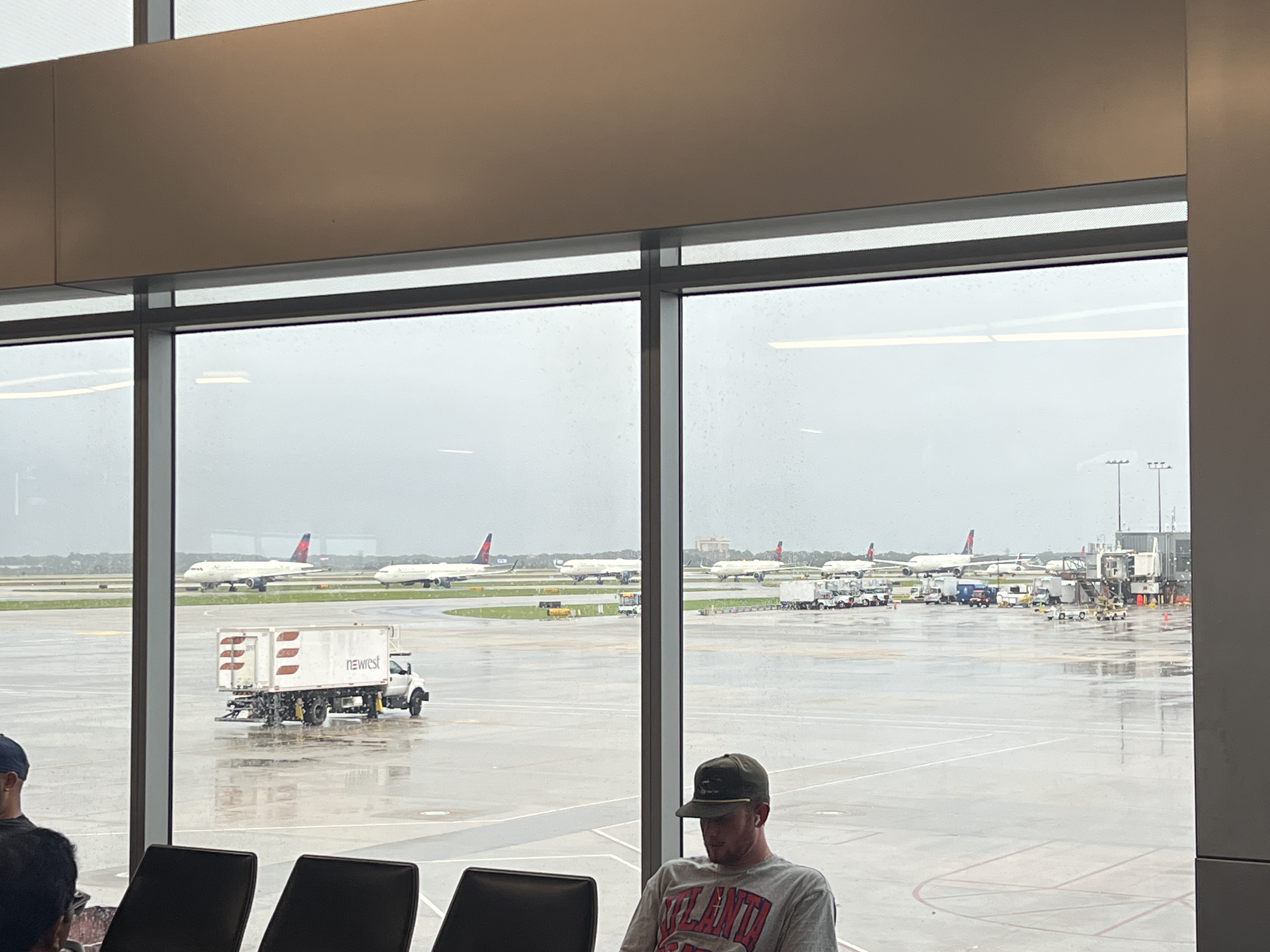
Looking back, it was a hell of an experience. But shelling out $290 for a lackluster group stage devoid of genuine fan emotion? I probably wouldn't sign up for that a second time—especially since tickets for other matches were astronomically expensive, ranging from $500 to $800.
The kid from the "Kuat" neighborhood fulfilled his dream. But the grown man from Prague hopes that at the next World Cup in Spain, football will once again feel a bit more like a game for the people, rather than a party for corporate sponsors.